
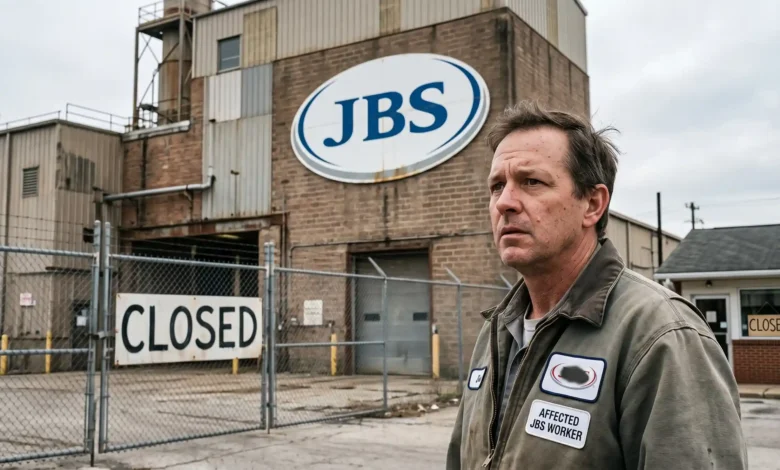
The impact of JBS closures alters local economies and shifts the US beef supply chain amid historic cattle shortages.
The impact of JBS closures is sending massive shockwaves through the US meat supply chain. In 2026, the Brazilian meatpacking giant announced the sudden shutdown of major American facilities. This firm decision leaves thousands of hardworking employees looking for new jobs. It also raises serious questions about the future of grocery store beef prices.
With national cattle shortages hitting a 75-year low, the meat industry faces intense financial pressure. We will break down exactly why these specific shutdowns are happening right now. You will learn what this means for your daily grocery bill and the regional communities affected.
What is the impact of JBS closures?
The primary impact includes over 1,600 sudden job losses in Pennsylvania and Tennessee, heavily disrupting local economies. While national beef prices remain historically high due to severe cattle shortages, JBS is shifting production to other US facilities to prevent widespread supply chain failures.
Key Takeaways
- Mass Job Losses: Over 1,600 meatpacking workers lost their jobs across Pennsylvania and Tennessee.
- Historic Cattle Shortage: The US cattle herd recently reached its lowest population level in 75 years.
- Corporate Shift: JBS is actively closing older plants to help fund massive $200 million expansions in Texas and Colorado.
- Grocery Beef Prices: Store prices remain high due to severe supply limits, not just these isolated plant closures.
Which JBS Facilities Are Closing?
The massive meat company decided to shut down multiple sites to fix its US production footprint. These tough choices directly damage regional job markets.
Souderton, Pennsylvania
The most damaging shutdown hits Souderton, a busy suburb of Philadelphia. This beef production plant closure leaves nearly 1,485 dedicated employees completely out of work. JBS was previously one of the top 25 largest employers in Montgomery County.
Memphis, Tennessee
JBS is also closing a busy value-added facility located in Memphis. This move quickly eliminates just over 200 local jobs. Production from this plant will safely move to other active facilities across the company network.
Riverside, California
Earlier in late 2025, JBS permanently closed its Swift Beef Company site in Riverside. This specific closure eliminated 374 steady positions. The company stated this was a strategic move to simplify their case-ready business operations.
Why Is the Company Shutting Down Plants?
Several heavy market forces force meatpackers to completely rethink how they operate today. It simply comes down to supply, daily demand, and rising operating costs.
The Historic Cattle Shortage
The US cattle inventory recently hit a staggering 75-year low. Years of persistent, brutal drought ruined massive pasture lands across the country. Ranchers had to shrink their active herds dramatically just to survive.
With fewer cattle available, meatpackers must pay much higher cash prices for livestock. This severely squeezes their profit margins. It makes running older facilities incredibly expensive.
Rising Operational Costs
Operating a massive meat slaughterhouse requires absolute peak efficiency. Running a large plant below full capacity rapidly drains money from the business. JBS ultimately decided to close less efficient sites rather than run them half-empty.
The Economic Impact on Local Communities
When a major meatpacking plant closes, the entire surrounding town feels the pain. The most immediate result is mass local unemployment. In Souderton, the local tax base will take a massive, direct hit this year.
These specific workers often rely on highly specialized skills. Those skills do not transfer easily to other local industries. State support will be highly necessary to help them transition into new careers. [WARN Notice Requirements]
Furthermore, small businesses around the plants will heavily suffer. Diners, gas stations, and local grocery stores will instantly lose their daily customers. This ugly ripple effect significantly slows down regional economic growth.
Will This Drive Up US Beef Prices?
Shoppers already feel the massive pain at the local meat counter. The USDA reported that beef prices jumped nearly 15% from early 2025 into 2026. However, the direct impact of JBS closures on national prices is actually quite small. [USDA Food Price Outlook]
JBS is absolutely not leaving the highly profitable US market. They are simply moving production to other massive, modernized facilities. For example, the company is actively investing $150 million to expand its Cactus, Texas plant.
They are strategically consolidating their power to remain competitive. The real driver of high beef prices remains the national cattle shortage. It is not caused by these few specific plant closures.
Data Breakdown of the Plant Closures
This table outlines the exact facilities and jobs affected by the recent restructuring.
| Facility Location | Plant Function | Jobs Affected | Closure Timeline |
| Souderton, Pennsylvania | Primary Beef Production | 1,485 | August 2026 |
| Memphis, Tennessee | Value-Added Processing | ~208 | August 2026 |
| Riverside, California | Case-Ready Beef | 374 | February 2026 |
Conclusion: The Final Verdict
The American meatpacking industry is going through a massive, painful transition. The true impact of JBS closures falls hardest on the hardworking local employees in Pennsylvania and Tennessee. Their communities will take years to fully recover from the heavy economic blow.
While nationwide beef prices will stay high, the company is rapidly adapting to a tough market by shifting its resources. Expect the overall meat supply chain to rely on fewer, but much larger, processing hubs moving forward.
Recommended Next Steps
Here is exactly what you should do next depending on your current situation:
- Affected Workers: Check local state programs immediately for rapid job retraining and placement services.
- Everyday Consumers: Look for highly affordable alternative protein sources like poultry, pork, or beans to offset high beef costs.
- Market Investors: Monitor live cattle futures closely for early signs of national herd rebuilding.
FAQS
Why is JBS closing its Pennsylvania plant?
The company aims to make its overall business highly efficient. Severe national cattle shortages make it far too expensive to operate older, less efficient facilities.
How many jobs are lost in the JBS shutdowns?
Across the Souderton and Memphis plants, roughly 1,700 employees will quickly lose their jobs. The earlier California closure affected another 374 workers.
Will JBS closures cause a nationwide beef shortage?
No. JBS is transferring its daily processing operations to other larger facilities. There is no expected national shortage, though retail prices remain very high.
Are cattle prices directly causing the shutdowns?
Yes. Years of intense drought forced ranchers to reduce their herds. This extreme lack of livestock drove up the cost of cattle, heavily squeezing profit margins for all meatpackers.
Is JBS leaving the United States entirely?
Not at all. The company recently announced $200 million in massive investments for its Texas and Colorado facilities. They are simply optimizing their current national network.