

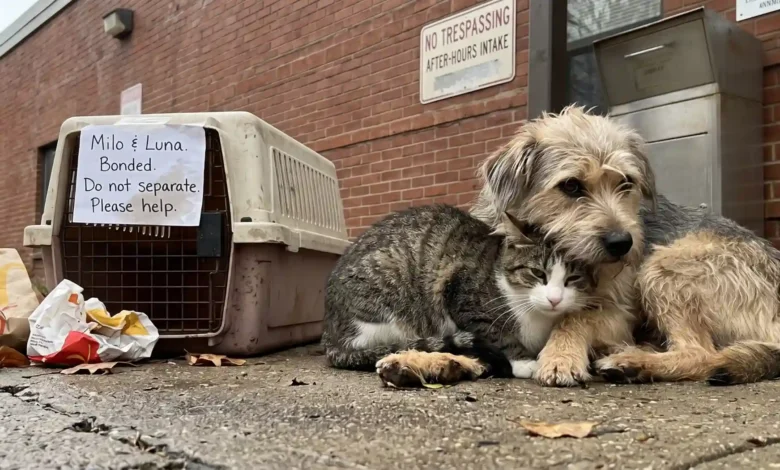
The Truth About Bonded Pets Dumped Outside Shelter Doors
Imagine arriving at work to find two trembling animals huddled together in a cold parking lot. Every year, animal rescue workers face this exact terrifying reality. Finding bonded pets dumped outside shelter doors is a heartbreaking scenario that happens far too often across the United States.
These inseparable companions rely entirely on each other for physical and emotional comfort. This intense mutual reliance makes sudden abandonment incredibly traumatic for them. In this guide, we will explore exactly what happens to these deeply connected duos and how the animal welfare system works to save them.
What happens to bonded pets dumped outside shelter facilities? When owners abandon bonded animals outside a rescue, these inseparable pairs face immediate threats from extreme weather, passing traffic, and predators. Rescue staff must quickly secure them, evaluate their deep emotional connection, and prioritize keeping them together for joint adoption.
Key Takeaways
- A bonded pair consists of two animals that rely strictly on each other for emotional stability.
- Abandoning animals outside a rescue facility leaves them highly vulnerable to heatstroke and intense trauma.
- Shelters conduct thorough behavioral evaluations to confirm if animals genuinely require co-adoption.
- Adopting a bonded pair completely eliminates their separation anxiety and ultimately saves two lives at once.
What Exactly Is a Bonded Pair?
Not every pair of animals living in the same house is truly bonded. A legitimate bonded pair shares a deep, inseparable connection that goes beyond simple friendship. They act as a single, cohesive unit in their daily routines.
If forced apart, these pets face severe psychological distress. They often exhibit extreme anxiety, destructive behavior, and a total loss of appetite. They usually sleep in the same space, eat side-by-side, and seek each other out whenever they feel threatened.
3 Signs of a Genuine Animal Bond
Rescue workers do not automatically group animals together just because they arrive on the exact same day. Instead, they run specific behavioral tests to observe their interactions. Staff members look for these three distinct signs:
- Severe Separation Anxiety: One pet actively paces, whines, or completely shuts down when placed in a separate room.
- Shared Daily Routines: They naturally sleep in the same bed, eat side-by-side, and groom each other constantly.
- Protective Behavior: One animal physically shields or immediately comforts the other in loud, stressful environments.
If these behaviors are present, the shelter officially classifies them as a pair. This vital classification ensures they stay together throughout the entire adoption process.
The Hidden Dangers for Bonded Pets Dumped Outside Shelter Grounds
Leaving animals tied to a fence or trapped in a cardboard box is incredibly dangerous. Owners often think they are doing the right thing by leaving pets near a physical rescue building. They falsely assume staff will find them immediately.
However, this creates a sudden, life-threatening situation for the animals involved. Staff members are not always on-site, especially overnight or during major holidays. This leaves the animals entirely defenseless against the outside world.
Exposure to Extreme Weather
Without access to shade, fresh water, or heat, animals succumb to severe weather conditions rapidly. Dogs and cats have very limited ways to regulate their internal body temperature. They cannot sweat like humans do to cool themselves down.
In the summer months, they face heatstroke, organ failure, or worse within just a few short hours. In the winter, freezing temperatures and icy rain can be equally fatal. For a deeper understanding of these specific dangers, review the American Animal Hospital Association (AAHA) heatstroke risks.
The Risk of Forced Separation
Animals left alone in unfamiliar territory often panic. A recent real-world case in Indiana highlighted a six-month-old puppy shielding a terrified cat with his paw after both were abandoned in a shelter parking lot. Without their human owners, these animals cling to each other for basic survival.
The loud noise of passing traffic and the scent of unknown animals only amplify their fear. Sometimes, one animal breaks loose from a collar or chews through a leash in a blind panic. If they run off, the remaining pet suffers the devastating emotional trauma of losing their only source of comfort.
Why Do People Abandon Paired Pets?
No one adopts two puppies or kittens with the intention of dumping them years later. Financial hardship remains the most common reason owners give up their loyal companions. Rising costs for double the pet food, veterinary bills, and routine preventative care force many families into impossible choices.
Housing issues also play a massive role in sudden pet abandonment. Many landlords strictly limit the number of pets allowed in a rental unit. If a family faces sudden eviction, finding affordable housing that accepts two animals is incredibly difficult.
Sometimes, owners pass away or move into assisted living facilities. Family members left behind might lack the capacity, time, or finances to care for two animals. In a panic, they might leave the bonded pets dumped outside shelter doors instead of waiting weeks for an official intake appointment. For ethical guidance on surrenders, consult the ASPCA’s guidelines on pet abandonment resources.
What Happens Inside the Shelter System?
Once rescue staff secure the abandoned animals, a long and challenging journey begins. Animal shelters currently face massive overcrowding issues nationwide. Housing two adult dogs or cats in the exact same kennel requires extra space that many facilities simply do not possess.
Despite these physical challenges, animal welfare professionals prioritize keeping a legitimate pair intact. They know that separating them causes severe behavioral decline, which makes them much harder to adopt out later. Shelters will often use private foster homes to keep the animals comfortable and secure.
However, finding a single home willing to take on two adult animals at once is a huge hurdle. Most people walk into a rescue facility looking for just one pet. Consequently, bonded pairs usually wait much longer for adoption than single pets do.
Pros and Cons of Adopting Bonded Pets
Before deciding to bring home two animals, you must carefully weigh the benefits against the responsibilities. Below is a simple breakdown of what to expect when adopting a duo.
| Pros of Adopting Bonded Pets | Cons of Adopting Bonded Pets |
| Built-in companionship: They entertain each other daily, significantly reducing boredom. | Higher overall costs: You will pay double the expenses for food, vet care, and basic supplies. |
| Lower anxiety levels: They adjust much faster to new environments when together. | Longer shelter stays: It naturally takes more time to find a home for two animals. |
| Less destructive behavior: Shared playtime prevents chewing, scratching, and anxious pacing. | Space requirements: You need enough room in your home for two beds, crates, or litter boxes. |
| Double the impact: You actively save two lives with a single adoption process. | Training challenges: They may bond with each other more than you in the beginning. |
Final Verdict
Leaving animals tied up or boxed outside a facility is never the right answer. It exposes them to dangerous weather, immense psychological trauma, and severe physical health risks. For a bonded pair, the terror of abandonment is only slightly softened by having their best friend nearby.
Ultimately, keeping these deeply connected pairs together is the most ethical approach to animal rescue. It heavily ensures their long-term happiness and survival. Adopting a bonded pair is a massive commitment, but the reward of saving two devoted lives is unmatched.
Next Steps
If you find yourself absolutely unable to care for your animals, contact local rescues to schedule a formal surrender. Never abandon them outdoors. Explain your situation honestly so they can prepare an appropriate space for both pets.
If you want to expand your family, consider adopting a bonded duo. Visit your local shelter and ask to meet their long-stay pairs. You will give two deserving animals a second chance at life while benefiting from their beautiful, pre-established connection.
FAQs
Can a dog and a cat form a bonded pair?
Yes. While it is less common, dogs and cats raised in the same home can form very deep emotional attachments. Shelters will keep them together if separating them causes noticeable distress.
How long do bonded pets stay in shelters?
They often stay significantly longer than single pets. Finding a family willing to adopt two adult animals requires more time and highly specific matchmaking.
Is it illegal to dump animals outside a rescue?
Yes. In almost all US states, abandoning an animal is considered animal cruelty. It is a strictly punishable offense that can lead to heavy fines or actual jail time.
Do bonded pets ever fight with each other?
Just like human siblings, they may have minor, harmless squabbles over toys or space. However, genuine pairs rarely engage in dangerous or highly problematic fighting.
Can you separate a bonded pair if necessary?
Shelters try to avoid this at all costs. Separation causes extreme anxiety, loss of appetite, and depression. However, if one animal is overly dominant and stifles the other, a behavioral expert might recommend separating them for their own safety.
Do bonded pairs cost twice as much to adopt?
Many shelters actually offer a reduced “two-for-one” adoption fee discount to encourage keeping the pets together. However, your daily living and medical expenses will still double.
How do you introduce a bonded pair to a new home?
Give them a quiet, enclosed space to decompress together first. Let them rely on each other for comfort before slowly introducing them to the rest of the house and family.