

Royal Caribbean Whale Strike Alaska: The Ovation Incident
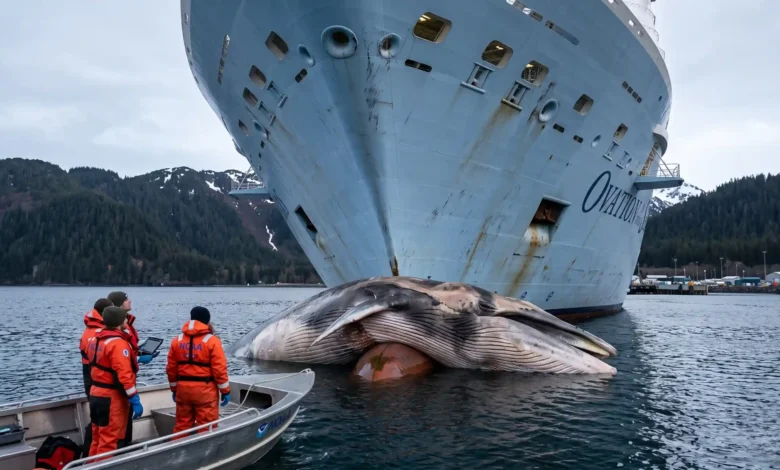
Booking a trip up north usually guarantees breathtaking glaciers and incredible wildlife. However, the recent royal caribbean whale strike alaska incident has shocked travelers and environmentalists alike. On June 19, 2026, the Ovation of the Seas arrived in Seward, Alaska, carrying a tragic payload on its bow. A dead, endangered fin whale was lodged on the massive ship. This event raises tough questions about marine safety and mega-ship speeds in wildlife habitats. We break down the facts, the federal investigation, and what this means for the future of cruising.
The royal caribbean whale strike alaska occurred on June 19, 2026, when the Ovation of the Seas arrived in Seward with a dead 61-foot endangered fin whale on its bow. NOAA confirmed blunt force trauma consistent with a ship strike, noting the whale was pregnant.
Key Takeaways
- The Ovation of the Seas struck a 61-foot female fin whale in Alaskan waters.
- NOAA investigators determined the whale was six months pregnant and perfectly healthy before the strike.
- Fin whales are an endangered species, making this incident a significant conservation loss.
- Environmental groups are actively pushing for mandatory 10-knot speed limits in these marine habitats.
What Happened During the Royal Caribbean Whale Strike in Alaska?
On a routine one-way trip from Vancouver to Seward, the Ovation of the Seas encountered an unexpected tragedy. The mega-ship pulled into the Alaskan port with a massive animal draped over its bulbous bow. The discovery immediately triggered federal action.
The Arrival in Seward
Port workers and passengers noticed the 61-foot whale upon docking on June 19. The ship’s crew reported the situation to the proper authorities right away. A local company quickly towed the carcass to Lowell Point.
This secured beach location allowed experts to safely examine the animal away from the busy port. It also kept the public at a safe distance while scientists began collecting tissue samples.
NOAA’s Initial Necropsy Findings
The National Oceanic and Atmospheric Administration (NOAA) led the investigation alongside the Alaska SeaLife Center. Their necropsy delivered heartbreaking results. The female fin whale was freshly dead and in excellent nutritional condition.
Examiners found blunt force trauma to the spine, ribs, and jaw. This extensive damage is highly consistent with a heavy ship strike. Sadly, scientists also discovered the whale was midway through a yearlong pregnancy, carrying a female calf.
The Environmental Impact: Endangered Fin Whales
Fin whales are the second-largest mammals on Earth. They can grow up to 85 feet long and weigh nearly 80 tons. Despite their massive size and fast swimming speeds, they often cannot outrun modern cruise ships moving at full throttle.
This species is currently listed as endangered under the Endangered Species Act. Losing a healthy, reproducing female is a heavy blow to the population’s slow recovery. Wildlife experts consider the loss of two animals in a single strike a major setback for marine conservation.
Financial and Regulatory Risks for the Cruise Industry
Investors and regulators are closely watching the fallout from this incident. The event introduces a new layer of environmental risk to a highly profitable sector. Royal Caribbean recently invested heavily in Alaskan infrastructure, including shore power at the new Seward terminal.
However, strong passenger demand could easily be overshadowed by negative publicity. If the federal government decides to step in, new operating rules could severely limit route flexibility. Tighter regulations might also increase operational costs and travel times for all large vessels in sensitive habitats.
The balance between business expansion and environmental safety remains highly fragile. The outcome of the federal probe will likely influence how institutions assess the company’s social and governance policies. It serves as a stark reminder that wildlife interactions carry heavy operational consequences.
Will the Royal Caribbean Whale Strike in Alaska Change Cruise Rules?
Currently, Alaska does not have mandatory speed limits for large vessels in whale habitats. The cruise industry relies largely on voluntary mitigation measures. However, this recent event has sparked intense backlash from marine advocates.
Groups like the Center for Biological Diversity are demanding immediate federal action. They want the government to enforce a strict 10-knot speed limit in these vulnerable coastal corridors. Similar mandatory speed reductions in California successfully cut deadly ship strikes by 50% in 2021.
Incident Summary Fact Sheet
| Detail | Information |
| Date of Arrival | June 19, 2026 |
| Ship Name | Ovation of the Seas |
| Cruise Line | Royal Caribbean Group |
| Location | Seward, Alaska |
| Whale Species | Fin Whale (Endangered) |
| Whale Size | 61 Feet |
| Cause of Death | Blunt force trauma (Ship strike) |
Conclusion: A Wake-Up Call for Maritime Operations
The Royal Caribbean whale strike in Alaska highlights a severe conflict between booming tourism and delicate ecosystems. Passengers flock to Alaska to see wild beauty, yet the massive ships bringing them there pose a direct threat to the animals.
The industry faces mounting pressure to adapt its standard practices. Whether through stricter federal regulations or updated internal company policies, operations need to evolve. Protecting endangered species must become a top priority for all maritime activities moving forward.
Next Steps
If you plan to cruise soon, take time to research your chosen cruise line’s environmental policies. Support companies that invest in sustainable technology and volunteer to reduce speeds in known marine corridors. You can also sign ongoing petitions advocating for mandatory speed limits in Alaskan waters to protect vulnerable marine life.
FAQs
What ship was involved in the Royal Caribbean whale strike in Alaska?
The Ovation of the Seas was the vessel involved in the incident. It is a large ship operating Royal Caribbean’s one-way Alaska program between Vancouver and Seward.
What kind of whale was hit?
The ship struck an adult female fin whale. Fin whales are an endangered species and the second-largest mammal in the ocean.
Was the whale already dead before the ship hit it?
NOAA’s initial necropsy suggests otherwise. The examination showed the whale was freshly dead, healthy, and had severe blunt force trauma consistent with a live vessel strike.
What is the cruise line doing about this?
Royal Caribbean issued a public statement saying they are deeply saddened by the event. The company stated they are fully cooperating with NOAA and local federal investigators.
Are there speed limits for cruise ships in Alaska?
Currently, there are no mandatory speed limits for cruise ships in Alaskan whale habitats. Environmental groups are actively petitioning the US government to impose a 10-knot limit to prevent future tragedies.