
Estatus de Protección Temporal: 2026 USA Guide
Are you or a loved one seeking safety in the United States? Navigating immigration laws can feel confusing and overwhelming. One highly significant program to understand is the estatus de protección temporal. This program provides a legal lifeline for people from certain countries facing extreme hardship.
If your home country is unsafe due to war, massive natural disasters, or other severe events, this framework allows you to stay in the US. You can live without fear of deportation. You can also apply for legal work authorization to support your family. In this guide, we break down exactly how this program works, who qualifies, the required documentation, and the latest 2026 legal updates from the government.
What is the estatus de protección temporal?
The estatus de protección temporal (TPS) is a temporary immigration status provided by the United States government. It allows foreign nationals from specifically designated unsafe countries to live and work legally in the US for a limited time without the risk of deportation.
Key Takeaways
- Safety from Deportation: Beneficiaries cannot be deported while the status remains active.
- Work Permits: You can apply for an Employment Authorization Document (EAD) to work legally.
- Travel Access: You may receive permission to travel outside the United States and return lawfully.
- Recent Changes: Supreme Court rulings in mid-2026 have directly impacted specific country designations.
- No Green Card: This status is temporary and does not offer a direct path to permanent residency or citizenship.
What is the Estatus de Protección Temporal?
The US Department of Homeland Security (DHS) holds the authority to create this designation. They use it strictly for countries experiencing temporary but severe disruptions. When a country receives this label, its citizens who are already physically inside the US can apply for protection.
Three main conditions lead to a country being designated:
- Ongoing Armed Conflict: Severe internal violence or civil wars that make returning dangerous.
- Environmental Disasters: Earthquakes, hurricanes, floods, or uncontrollable epidemics.
- Extraordinary Conditions: Other temporary, unique situations that make returning home entirely unsafe.
Once granted, this legal protection gives you peace of mind. It allows you to build a temporary life in America while your home country recovers from its crisis.
Who Qualifies for this Protection?
To secure the estatus de protección temporal, you must meet specific requirements. The government enforces these rules strictly.
First, you must be a citizen of a designated country. If you do not have a nationality, your last habitual residence must have been in one of these designated nations.
Second, you must prove continuous physical presence. This means you have been inside the United States since the exact date DHS specified for your country’s designation. Leaving the country for a long period before applying can ruin your eligibility.
Third, you must pass a thorough background check. People with one felony conviction or two or more misdemeanors in the US will not qualify. Immigration authorities will also deny applications for certain national security reasons.
Current Designated Countries
As of 2026, several countries hold this designation. These include El Salvador, Honduras, Nepal, Nicaragua, Venezuela, and Sudan. Some designations are currently facing legal challenges or winding down. For example, recent 2026 rulings affected designations for Syria and Haiti. Always check the official USCIS TPS page for the exact deadlines and updates related to your specific country.
How to Apply for Estatus de Protección Temporal
Applying requires careful attention to detail. A single mistake can delay your case or cause an outright denial. Follow these steps to submit a complete application.
Required Forms and Costs
You must submit specific paperwork to US Citizenship and Immigration Services (USCIS). You can file these forms online or by mail.
- Form I-821: This is the primary application. You use it to formally request the estatus de protección temporal.
- Form I-765: This is the application for employment authorization. You need this form only if you want a legal work permit.
If you cannot afford the filing fees, you can ask for a fee waiver. You do this by submitting Form I-912 along with proof of your financial hardship.
| Form Number | Purpose | Estimated Filing Fee |
| Form I-821 | Initial Application | $50 (plus $30 biometric fee) |
| Form I-765 | Work Authorization | $520 (if applying for a work permit) |
| Form I-912 | Fee Waiver Request | $0 |
Note: Fees are subject to change. Always review current costs directly on the official USCIS website before mailing your packet.
Gathering Your Evidence
You must prove your identity and your arrival date. Without solid proof, USCIS will deny your application. The government wants to see a consistent paper trail.
You need three distinct types of evidence:
- Identity and Nationality: A passport from your home country, a certified birth certificate, or a national identity document with your photo and fingerprint.
- Date of Entry: A passport entry stamp, an I-94 arrival record, or airline travel tickets showing exactly when you entered the United States.
- Continuous Residence: Documents proving you have lived in the US continuously. Excellent examples include apartment lease agreements, rent receipts, utility bills, school records, hospital bills, or letters from your local church.
Important 2026 Legal Updates
Immigration policies shift frequently. The year 2026 brought significant changes to the estatus de protección temporal framework.
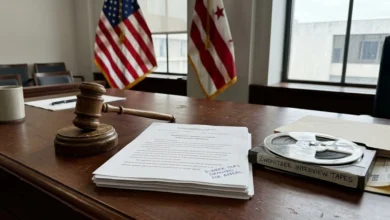
In June 2026, the US Supreme Court issued a major ruling. The court decided that DHS legally holds the authority to end temporary protections for certain countries, including Syria and Haiti. This decision impacted thousands of families who had been protected under prior court injunctions.
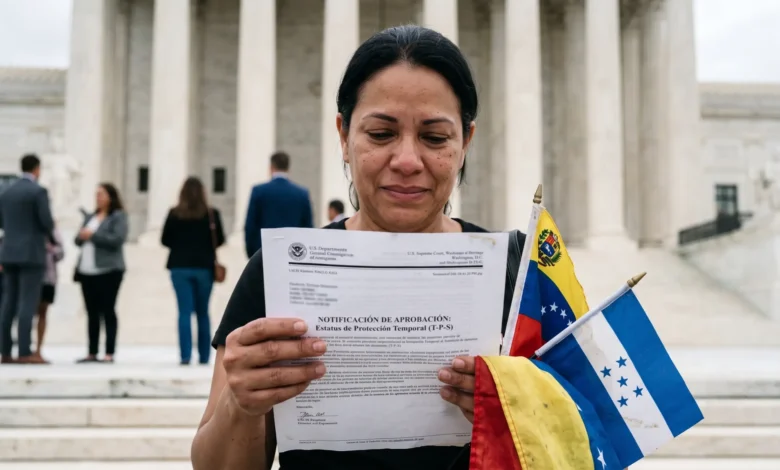
Following this ruling, USCIS provided updated guidance for employers and immigrants. They extended Employment Authorization Documents (EADs) to an interim date of July 10, 2026, for affected nations while they finalize the termination procedures. If you are an employer or a worker, it is essential to stay updated on these rolling deadlines. Reading up on the latest US Supreme Court rulings on immigration can help you prepare for rapid policy shifts.
What to Do If Your Application is Denied
Sometimes, USCIS denies an application. A highly common reason for denial is a lack of evidence. If you do not send enough proof of your physical presence or identity, your case will fail.
If you receive a denial letter, do not panic. The letter will explain exactly why the agency rejected your application. You usually have the right to appeal the decision. You might also be able to file a motion to reopen your case. This means you ask USCIS to look at your application again because you have new facts or recently discovered documents. Because the appeals process is highly complex, hiring a licensed immigration lawyer is strongly recommended.
Information for Employers
Employers must follow strict federal rules when hiring workers with estatus de protección temporal. Workers will present an Employment Authorization Document (EAD) during the hiring process. Employers must use this card to properly complete Form I-9.
Sometimes, the government automatically extends EAD expiration dates while a country’s status is under review in federal court. When this happens, USCIS publishes official notices instructing employers on how to verify these extended dates. Employers must accept the EAD if it falls under an automatic extension. Refusing a valid, automatically extended work permit violates federal anti-discrimination laws.
Next Steps After Approval
Receiving your approval letter brings great relief. However, your responsibility does not end there. You must actively maintain your status.
First, keep your work permit updated. Employment authorization documents expire. You must apply for a renewal before your current card runs out so you do not lose your job.
Second, do not leave the United States without permission. If you need to travel abroad for emergencies, you must apply for travel authorization (Advance Parole) first. If you leave without this document in hand, you will lose your estatus de protección temporal and be blocked from re-entering the country.
Finally, always re-register on time. The government requires beneficiaries to re-register during specific time windows. Missing a re-registration deadline can cause you to instantly lose your protection.
Conclusion
The estatus de protección temporal offers a vital safe haven for individuals fleeing dangerous conditions. It provides a highly structured legal way to live, work, and support your family in the United States during a time of crisis. By understanding the rules, submitting the right forms, gathering robust evidence, and staying informed about 2026 legal updates, you can safely protect your future. Always consult with a qualified immigration attorney if you have a complicated criminal or immigration background.
Actionable Next Steps
- Check Eligibility: Visit the USCIS website today to see if your home country is currently designated.
- Gather Documents: Start collecting your passport, rent receipts, and utility bills right now.
- File on Time: Do not miss your country’s specific registration or re-registration deadline.
- Seek Legal Help: Reach out to a verified legal aid organization or a licensed attorney if you need help filling out your forms.
FAQs
What does estatus de protección temporal mean in English?
It translates to Temporary Protected Status (TPS). It is a US immigration program that protects people from certain dangerous countries from deportation.
Can I get a Green Card through this program?
No. This status is completely temporary. It does not provide a direct path to lawful permanent resident status or citizenship.
Do I have to pay to apply?
Yes, there are filing fees for the application and the biometric screening. You also pay a fee if you want a work permit. However, you can apply for a fee waiver if you cannot afford the costs.
Can I travel outside the US while protected?
Yes, but you must ask for permission first. You must file Form I-131 to get a specific travel document before leaving the country.
What happens if the government ends the program for my country?
If the designation ends, your protection expires. You will revert to the immigration status you held before, unless you obtained a completely different legal status while protected.
Can I apply if I entered the US illegally?
Yes. Your method of entry does not automatically block you from applying. However, you must thoroughly prove you meet the continuous physical presence requirements.
Will minor criminal offenses disqualify me?
You are not eligible if you have one felony conviction or two or more misdemeanor convictions in the United States. Always speak to an immigration lawyer if you have any criminal history before applying.