
Federal Judge Rules on DOJ Release of Biden Audio Recordings: Everything You Need to Know
The recent doj biden recordings judge ruling has set the stage for a massive legal showdown over presidential privacy and public transparency. In a highly anticipated decision, a federal court determined whether the Justice Department can hand over dozens of hours of recorded conversations between former President Joe Biden and his ghostwriter. This case goes far beyond just audio files; it strikes at the heart of executive accountability.
What was the judge’s ruling on the DOJ Biden recordings?
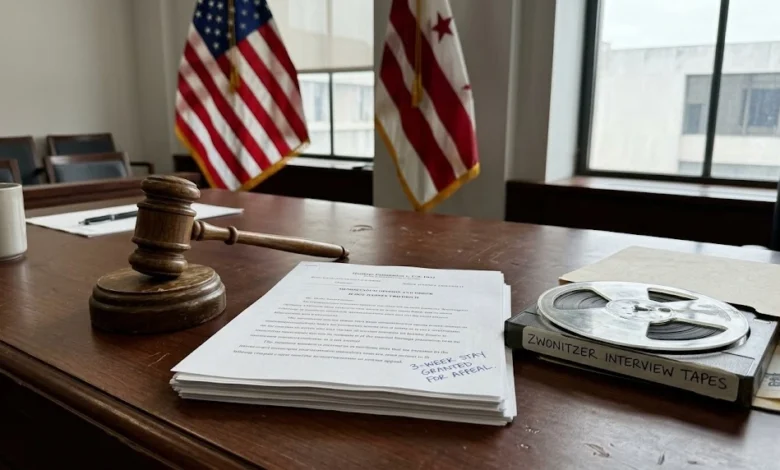
U.S. District Judge Dabney Friedrich ruled that the DOJ can release redacted audio recordings of Joe Biden’s interviews with his ghostwriter to the Heritage Foundation. However, the judge granted a three-week injunction, temporarily blocking the release so Biden’s legal team can appeal the decision to a higher court.
Key Takeaways
- A federal judge rejected Biden’s request to indefinitely block the release of his interview tapes.
- The judge granted a temporary three-week pause for Biden’s team to appeal.
- The Heritage Foundation requested the tapes under the Freedom of Information Act (FOIA).
- The recordings stem from Special Counsel Robert Hur’s investigation into classified documents.
- Redactions will protect highly sensitive personal information, such as family details.
The Core of the DOJ Biden Recordings Judge Ruling
On June 19, 2026, U.S. District Judge Dabney Friedrich delivered a major decision regarding the release of Joe Biden’s audio tapes. The Heritage Foundation had filed a FOIA lawsuit to obtain these recordings. Biden’s legal team argued that releasing them would violate his personal privacy.
Judge Friedrich rejected the former president’s request to indefinitely halt the disclosure. She stated that the public’s right to understand government decision-making outweighs diminished privacy interests. Because the Justice Department heavily redacted personal details, the judge found no valid legal reason to keep the tapes entirely hidden from the public.
However, the legal fight is not over. Friedrich agreed to pause the release for three weeks. This gives Biden’s attorneys time to escalate the case to the U.S. Court of Appeals for the D.C. Circuit.
Why Were the Tapes Recorded in the First Place?
The recordings in question capture around 70 hours of conversation between Biden and his biographer, Mark Zwonitzer. They recorded these private sessions in 2016 and 2017 while working on Biden’s memoir, Promise Me, Dad.
The Robert Hur Investigation Connection
These tapes gained national attention during Special Counsel Robert Hur’s investigation. Hur was appointed to review whether Biden improperly retained classified materials after leaving the vice presidency. While Hur ultimately recommended no criminal charges, his 2024 report heavily cited the Zwonitzer tapes.
Hur’s report noted that Biden struggled with his memory during the recorded sessions. Because Hur used these tapes to justify his decision not to prosecute, conservative groups like the Heritage Foundation and the House Judiciary Committee demanded full access to the audio. If you want to understand the legal standard here, reviewing Freedom of Information Act (FOIA) guidelines helps clarify how the public can access restricted government records.
Key Arguments: Privacy vs. Public Transparency
The lawsuit centers on a classic legal battle between personal privacy and the public’s right to know. Here is a breakdown of the competing arguments in this case.
| Party Involved | Core Argument | Legal Position |
| Joe Biden’s Legal Team | The tapes contain personal conversations made in his own home. Releasing them causes irreversible damage to his privacy. | Keep the tapes sealed indefinitely to protect personal rights. |
| Heritage Foundation | The public needs to see the evidence Hur used to avoid pressing charges. Transparency ensures government accountability. | Release the tapes under FOIA requirements. |
| Judge Dabney Friedrich | Redactions protect sensitive family matters. The public interest in prosecutorial decisions is unusually strong here. | Allow the release, but grant a three-week pause for an appeal. |
What Happens During the 3-Week Injunction?
The three-week stay is a temporary freeze. It prevents the Justice Department from handing the tapes over to the Heritage Foundation immediately. Biden’s lawyers called this an emergency necessity. They argued that once the audio goes public, the damage to his privacy cannot be undone.
During this window, the U.S. Court of Appeals for the D.C. Circuit will review the request. They will decide whether to extend the block or allow the Justice Department to finally release the audio.
Conclusion and Next Steps
The coming weeks will determine if the public ever hears these conversations. If the appeals court sides with Judge Friedrich, the Justice Department will likely release the redacted audio shortly after. You can find more context on the investigation by reading the Special Counsel Robert Hur report summary.
Separate from the Heritage Foundation case, Biden is also fighting a similar battle against the House Judiciary Committee. Congress has independently subpoenaed the materials, leading to ongoing clashes between the legislative and executive branches. The outcome of this current appeal will heavily influence those parallel legal fights. Stay tuned to the D.C. Circuit Court docket for the next major update.
FAQs
What is the DOJ Biden recordings judge ruling?
A federal judge ruled that the DOJ can release Joe Biden’s recorded conversations with his ghostwriter but paused the release for three weeks to allow a legal appeal.
Who requesed the Biden audio tapes?
The conservative think tank, the Heritage Foundation, requested the tapes under the Freedom of Information Act (FOIA). The House Judiciary Committee has also separately demanded them.
Why does Joe Biden want to keep the tapes private?
Biden’s lawyers argue the tapes are private, in-home conversations. They claim releasing them is an unwarranted invasion of his privacy.
What is on the audio recordings?
The roughly 70 hours of audio feature Biden speaking with his biographer, Mark Zwonitzer, while drafting his 2017 memoir.
How does this relate to Special Counsel Robert Hur?
Hur reviewed these tapes while investigating Biden for classified document retention. Hur used the tapes as evidence when he decided not to press criminal charges.
Will the public hear sensitive family information?
No. The judge noted that the Justice Department significantly redacted the tapes. Mentions of illness, death, and private family members have been completely removed.
What is the next step in the legal process?
Biden’s legal team is appealing the ruling to the U.S. Court of Appeals for the D.C. Circuit to secure a permanent injunction against the release.