
Understanding the US Attorney Appeal Tony Bailey Case and the Fight for His Freedom
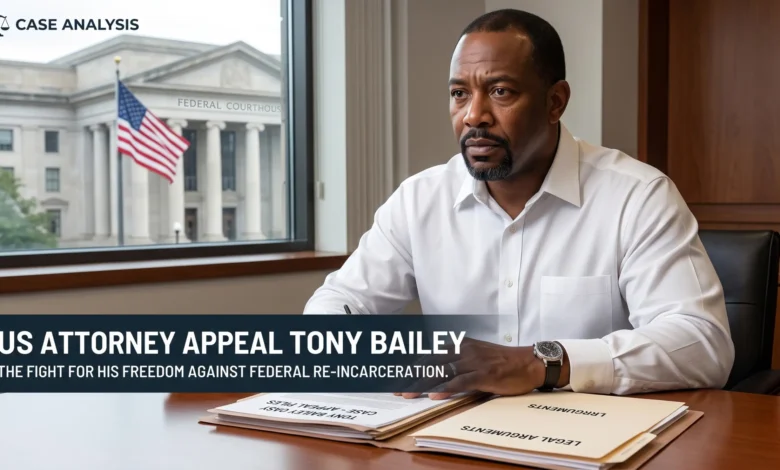
In a highly debated legal showdown that has captured national attention, the US attorney appeal Tony Bailey case highlights the sharp edges of federal sentencing laws. Tony Bailey, a 61-year-old great-grandfather from Indiana, was released in 2024 after serving 27 years in federal prison. He successfully turned his life around, securing a full-time job as an IndyGo bus driver and returning to his family.
Despite his successful reintegration into society, the U.S. Department of Justice (DOJ) is actively fighting to reverse his freedom. This unexpected legal maneuver threatens to send him back behind bars for the rest of his life. Here is what you need to know about the facts, the legal arguments, and the broader impact of this high-stakes battle.
What is the US Attorney Appeal Tony Bailey Case?
The US attorney appeal Tony Bailey case centers on the Department of Justice attempting to reverse the 2024 early release of Tony Bailey. Bailey served 27 years of a 61-year sentence for a 1997 armed robbery. Federal prosecutors argue that the judge exceeded his legal authority by retroactively applying new, lighter sentencing guidelines to an older conviction.
Key Takeaways
- The Original Crime: Bailey received a 61-year sentence for a 1997 bank robbery involving a carjacked UPS truck.
- The Early Release: In 2024, U.S. District Judge Richard Young slashed the sentence to the 27 years already served, citing the original penalty as unusually harsh.
- The Federal Appeal: The U.S. Attorney’s Office in Indianapolis claims the judge lacked the authority to shorten an older sentence based on modern guidelines.
- The High Stakes: If the DOJ succeeds, Bailey could be forced to return to federal prison to serve the remaining 34 years of his sentence.
Who is Tony Bailey? The 1997 Conviction
The story begins in 1997. Tony Bailey and two accomplices committed a serious crime in Chesterfield, Indiana. They carjacked a UPS delivery truck and used it to rob a local bank.
Because of the severe mandatory minimum sentencing laws in place at the time, the judge handed down a staggering 61-year federal prison sentence. Bailey admitted his guilt and expressed deep remorse for his actions. However, he quickly realized that a 61-year sentence was essentially a permanent lifetime commitment behind bars.
While in the federal penitentiary in Terre Haute, Bailey chose to better himself. He maintained a clean record and focused on rehabilitation. Even with his positive behavior, his release date remained decades away under the strict laws of the 1990s.
The 2024 Release: Why the Judge Reduced His Sentence
In 2018, Congress passed sweeping criminal justice reforms aimed at reducing overly harsh penalties. These changes prompted federal judges across the country to re-evaluate specific cases.
In 2024, Bailey’s case arrived at the federal courthouse in downtown Indianapolis. U.S. District Judge Richard Young reviewed the details and determined that Bailey’s original 61-year sentence was unusually long. The judge officially declared that Bailey was no longer a risk to society.
Judge Young granted a massive sentence reduction, slashing the term to the 27 years Bailey had already served. He ordered Bailey’s immediate release. For the first time in nearly three decades, Bailey walked free, finding work as a city bus driver and spending time with his grandchildren.
The US Attorney Appeal Tony Bailey: Legal Arguments Explained
Just as Bailey began to rebuild his life, the legal system pulled him back in. The U.S. Attorney’s Office in Indianapolis officially appealed his sentence reduction. They recently notified Bailey’s legal team of their intent to file a motion to reverse his release.
The Legal Argument Against Retroactive Reductions
Federal prosecutors are arguing on strict procedural grounds. They claim that the U.S. Sentencing Commission and individual judges exceeded their authority by shortening sentences for previously convicted inmates.
The DOJ insists that while new federal sentencing guidelines apply to new cases, they do not automatically cover inmates sentenced under older laws. In previous court filings, prosecutors also emphasized the severe nature of Bailey’s original 1997 crime. They argued that cutting the sentence in half would cause “confusion and implicit deception” in the justice system.
The Defense’s Push for Compassion
Bailey’s defense attorney, John Gleeson, is fighting aggressively to keep his client free. Gleeson points out a glaring inconsistency in federal sentencing. He notes that the average federal sentence for a murder conviction in 2025 was roughly 24 years.
Bailey served 27 years for armed robbery. Gleeson argues that if Bailey were sentenced today, he would receive far less time than he has already served. The defense team is publicly asking the U.S. Attorney to exercise basic discretion, decency, and humanity by dropping the appeal.
Case Timeline Breakdown
Understanding the exact sequence of events helps clarify why this case is so legally complicated.
| Year | Event in the Tony Bailey Case | Legal Status |
| 1997 | Bailey and two accomplices commit an armed bank robbery. | Sentenced to 61 years under mandatory minimums. |
| 2018 | Congress passes federal sentencing reforms. | New guidelines reduce penalties for similar crimes. |
| 2024 | Judge Richard Young re-evaluates the case. | Sentence reduced; Bailey released after 27 years. |
| 2026 | U.S. Attorney notifies defense of appeal. | DOJ actively working to return Bailey to prison. |
What This Means for Federal Inmates and Sentencing Laws
The us attorney appeal tony bailey situation is more than just an isolated legal dispute. It serves as a major test case for criminal justice reform in the United States.
If the Department of Justice wins this appeal, it could set a dangerous precedent. Hundreds of other federal inmates who received sentence reductions under the 2018 reforms could suddenly find themselves facing re-incarceration. Legal experts are watching closely, as the final ruling will clarify exactly how much power federal judges have to correct excessively harsh sentences from the past.
For now, Bailey remains out on release, driving his bus route and spending time with his family. He continues to wait for the federal appeals court to decide his ultimate fate.
Conclusion
The fight over Tony Bailey’s freedom represents a massive clash between strict legal procedure and human rehabilitation. Bailey served almost three decades for his crimes and has proven he can be a productive member of society. However, the DOJ’s insistence on strictly interpreting sentencing guidelines threatens to undo his second chance. The outcome of this appeal will echo throughout the federal justice system for years to come.
Next Steps
If you are tracking federal legal updates or have a loved one impacted by federal sentencing laws, stay informed. Monitor upcoming decisions from the Seventh Circuit Court of Appeals. Consider consulting with a specialized federal defense attorney to review how new sentencing guidelines might apply retroactively to older convictions.
FAQs
Why was Tony Bailey sent to prison in the first place?
Tony Bailey was sentenced to 61 years in federal prison for a 1997 crime. He and two accomplices carjacked a UPS delivery truck and used it to commit an armed bank robbery in Chesterfield, Indiana.
How did Tony Bailey get released early?
In 2024, U.S. District Judge Richard Young reviewed Bailey’s case following federal sentencing reforms. The judge determined the original 61-year sentence was unusually long, declared Bailey was no longer a threat, and reduced his sentence to the 27 years already served.
On what grounds is the US Attorney appealing Tony Bailey’s release?
The DOJ argues that judges and the sentencing commission do not have the legal authority to retroactively apply new, lighter sentencing guidelines to inmates convicted under older, harsher laws.
Who is representing Tony Bailey in court?
Tony Bailey is currently represented by attorney John Gleeson. Gleeson helped secure Bailey’s initial sentence reduction and is now leading the legal fight to keep him out of prison.
Could Tony Bailey really go back to prison?
Yes. If the federal appeals court sides with the U.S. Attorney’s Office, Bailey’s sentence reduction could be legally reversed. This would force him to return to federal prison to serve the remaining 34 years of his original sentence.
Has Tony Bailey reoffended since his release?
No. Since his release in 2024, Bailey has maintained a clean record. He has successfully reintegrated into society, working a steady job as an IndyGo bus driver and actively participating in his family’s life.