

When Can I Eat Solid Food After Tooth Extraction? 4 Safety Signs
Clinical Disclaimer: The following nutritional recovery guidelines are for informational purposes only. They do not replace the specific, personalized post-operative instructions provided by your dentist or oral surgeon. Always defer to your primary dental provider’s recovery plan.
The transition from plain liquids back to your favorite meals is one of the most anticipated milestones of oral surgery recovery, but chewing too quickly can stall your progress. While hunger is a fantastic sign that your body is bouncing back, your extraction site requires strict structural protection to heal without complications. Returning to regular meals isn’t dictated by a single universal calendar date; instead, it depends on a safe chronological progression and specific physical readiness indicators.
Most patients can safely return to regular solid foods between 7 to 10 days after a tooth extraction. This recovery window depends heavily on the surgical complexity, how many teeth were removed, and your overall healing progress. Always graduate through a soft-food phase before introducing hard, crunchy items to protect the surgical wound.
Key Takeaways for Safe Recovery
- Days 1–3 Focus: Stick to zero-chew liquids and ultra-soft choices like yogurt or smooth purees.
- The 7-Day Rule: Strictly avoid using straws, smoking, or consuming crunchy foods for at least one week.
- Chewing Strategy: Always chew food on the opposite side of your mouth from the healing wound.
- Hydration Alert: Keep all liquids lukewarm or cool; hot liquids can destabilize early healing.
- Hygiene Protocol: Use gentle, passive saltwater rinses rather than aggressive spitting to clear food particles.
Quick Start: Your Eating Schedule at a Glance
If you are looking for an immediate guide on what to eat right now, use this simplified snapshot:
- First 24 Hours: Lukewarm broths, smooth applesauce, plain yogurt, and milkshakes (eaten with a spoon, no straws).
- Days 2 to 3: Fluffy scrambled eggs, warm mashed potatoes, and smooth cottage cheese.
- Days 4 to 7: Well-cooked pasta, soft fish, mashed bananas, and soft-cooked vegetables.
- Day 8 and Beyond: Tender meats, soft sandwiches, and gradual reintroduction of your standard diet based on your comfort level.
Why Chewing Too Early Risks Your Recovery
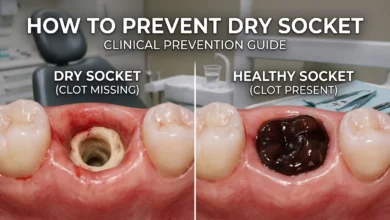
To understand why you must wait to eat solid foods, it helps to understand how your mouth heals. Immediately after a dentist extracts a tooth, your body forms a baseline blood clot inside the empty socket. This clot acts like a natural, organic bandage. It forms a protective seal over the exposed nerves and underlying bone structures.
If you introduce solid foods too early, the mechanical friction of chewing can easily tear this fragile clot away. When the clot is dislodged or fails to develop correctly, it causes a highly painful medical complication called alveolar osteitis, commonly known as dry socket. Dry socket exposes the raw bone and nerves to air, fluids, and food debris, which severely delays your healing curve.
- “Sticking to soft foods and liquids during this initial phase is best to avoid disturbing the clot that forms over the wound.”: [Diagonal Dental, 2025 Post-Op Guide]
Beyond the mechanical risk of chewing, small food particles can slip deep inside an unsealed socket. When food debris gets trapped in the open wound, it introduces harmful bacteria directly into the healing tissue, increasing your risk of a painful post-surgical infection.
⚠️ Common Mistake: The Early Straw Trap Many patients assume that drinking a thick fruit smoothie through a plastic straw is a safe way to get nutrition on Day 2. However, the suction force created inside your mouth when using a straw creates negative pressure. This pressure can physically pull the healing blood clot right out of the socket, immediately exposing you to dry socket risks. Skip the straws for at least 7 full days.
Chronological Recovery Diet Timeline
The First 24 Hours: Complete Liquid Rest
During the first full day following your oral surgery, you must avoid solid foods entirely. Your jaw muscles need complete rest, and the surgical site is highly vulnerable to bleeding. Focus 100% on a zero-chew liquid diet to stay hydrated.
Excellent choices include smooth applesauce, plain yogurt, pudding, and clear, nutrient-rich bone broths.
The Lukewarm Rule: Always let hot soups, broths, coffee, or tea cool down to room temperature before you consume them. High temperatures can prematurely dissolve or loosen a freshly formed blood clot, triggering delayed bleeding.
Days 2 to 3: The Fork-Tender Soft Food Phase
As you transition into the second and third days, you can begin to introduce soft foods that require minimal jaw movement. This phase requires patience because your localized tissue inflammation, jaw stiffness, and facial swelling typically peak sharply on Day 3.
Safe options for this phase include fluffy scrambled eggs, lukewarm mashed potatoes, and soft cottage cheese.
Accelerate with Flaky Proteins: Healing requires optimal protein intake. To safely meet your nutritional needs, prioritize incredibly soft, flaky proteins like baked salmon or white fish. These foods supply the amino acids required for rapid gum tissue repair but require virtually no heavy chewing pressure.
Patient Scenario: Simple Single-Tooth Extraction A 34-year-old patient underwent a routine single molar extraction. They strictly followed a liquid diet for the first 24 hours. On Days 2 and 3, they progressed to lukewarm mashed potatoes and scrambled eggs. By Day 5, they successfully introduced soft pasta, and seamlessly returned to normal solid foods on Day 8 without experiencing any socket irritation or clot disruption.
Days 4 to 7: Transitioning to Semi-Solids
By the fourth day, your swelling should begin to gradually recede. If your jaw movement feels comfortable, you can expand your menu to include semi-solid foods. These are foods that easily give way under very light tongue or tooth pressure.
Excellent options include well-cooked pasta dishes, soft-cooked vegetables (like carrots or squash), and mashed bananas.
Beware the Sticky Grain Trap: Avoid eating fresh, soft breads, pancakes, or heavy syrups during this window. These items easily mix with saliva to form a thick, sticky paste. This paste can readily adhere to the surgical wound site, creating an ideal breeding ground for bacteria that is highly difficult to clean safely.
Day 8 and Beyond: Returning to Standard Solids
By the start of the second week, most standard extractions have healed enough to allow a careful return to regular cooked meals. You can begin eating tender chicken, soft sandwiches, and standard dishes.
However, you must continue to consciously chew your food on the opposite side of your mouth, away from the extraction socket. This mechanical shift keeps direct pressure off the new, delicate skin tissue forming over the socket.
If you had a more complex procedure, such as the surgical removal of multiple impacted wisdom teeth, your timeline will naturally look different. Complex surgeries cause greater bone and tissue trauma, which means your healing curve will take longer. Listen to your body; if a certain texture causes a throbbing sensation or minor pain, stop eating it immediately and step back to softer foods for another 48 hours.
Post-Op Dietary Timeline Tracker Matrix
To remove all guesswork from your recovery kitchen, use this structured matrix to map out safe food choices against immediate structural hazards.
| Recovery Phase | Safe Food Textures | Immediate Structural Hazards |
| First 24 Hours | Smooth liquids, clear lukewarm broths, plain yogurt, smooth applesauce. | Anything requiring any chewing motion, hot drinks, straws. |
| Days 2 – 3 | Scrambled eggs, smooth mashed potatoes, cottage cheese, pudding, pureed soups. | Crunchy items, spicy seasoning, acidic citrus juices. |
| Days 4 – 7 | Well-cooked soft pasta, flaky white fish, mashed bananas, soft-cooked vegetables. | Tortilla chips, hard toast, popcorn, nuts, sticky candies, loose rice grains. |
| Day 8+ / Week 2 | Tender chicken, soft sandwiches, regular cooked meals (chewed on the opposite side). | Extremely tough cuts of red meat, heavily crusted bread, hard nuts. |
Hidden Food Traps to Avoid
The Tiny Particle Hazard
Many patients believe that if a food item is small, it does not pose a risk to their extraction site. This misunderstanding leads people to eat foods like white rice, quinoa, or couscous too early in their recovery. These loose grains act like physical debris shrapnel. They can easily settle deep inside the open tooth socket, trapping bacteria and provoking a localized infection.
Hard, crunchy, or sharp items such as potato chips, popcorn, nuts, and hard toast can directly slice or bruise the open surgical wound. These foods must be completely eliminated from your menu during early recovery.
💡 Pro Tip: The Smoothie Seed Warning
While fresh fruit smoothies provide excellent vitamins, avoid using any fruits that contain micro-seeds, such as strawberries, raspberries, blackberries, or chia seeds. These tiny particles bypass your chewing mechanics completely and can slide directly into the unsealed socket, triggering severe irritation or infection.
Chemical Irritants
Spicy seasonings, hot sauces, and highly acidic items (like orange juice, lemon juices, or tomato-based pasta sauces) can intensely irritate raw gum tissues. This chemical irritation causes a burning sensation, increases localized swelling, and slows down the natural sealing of your gum line. Stick to mild, low-acid seasonings until the surface of your socket looks completely closed and pink.
Suction and Heat Hazards
As your socket heals, chemical and atmospheric stability are just as important as mechanical safety. Consuming alcoholic beverages, smoking cigarettes, or vaping can severely delay tissue healing and significantly elevate your risk of developing post-operative complications.
Furthermore, any action that creates a vacuum in your mouth—including using straws or hard whistling—threatens to pull the protecting clot out of its home. Keep your healing environment clean, stable, and protected.
Practical Tooling: The 4 Solid Food Readiness Signs
Before graduating from soft foods to normal solid meals, you must pass a personal evaluation. Check your recovery status against these four objective clinical indicators:
- [ ] 1. Pain Control: Your extraction site pain must be completely manageable without the assistance of prescription or over-the-counter pain medications.
- [ ] 2. Swelling Resolution: Your facial and intraoral swelling must be visibly resolving from its third-day peak.
- [ ] 3. Jaw Range of Motion: You can open your mouth fully to its normal width without feeling tight stiffness or sharp pain in your jaw joints.
- [ ] 4. Zero Active Bleeding: All oozing has stopped entirely, and the socket surface looks sealed with a healthy, pinkish layer of new tissue.
“Knowing when to reintroduce solid foods depends largely on how your body is healing. It’s important to listen to your body.”
Essential Oral Hygiene Mechanics After Eating
Keeping your mouth clean after meals is a balance; you must remove food debris without destroying your healing wound.
The Passive Socket-Flush Protocol
During the first 24 hours, do not brush your teeth near the surgical area. After this initial window passes, you should maintain routine tooth brushing to keep overall oral bacteria low, but you must completely avoid touching the immediate surgical site with your toothbrush bristles until your pain and swelling drop.
To clear away debris that gets trapped after eating, use a warm salt water rinse after every meal or snack. However, your mechanical execution must be entirely passive.
💡 Pro Tip: The Gravity-Drain Rinse Technique
Do not actively swish the saltwater around your mouth, and never spit aggressively into the sink. The force of spitting creates the exact same negative pressure as using a straw, which can pull out your blood clot. Instead, gently roll your head from side to side to let the saltwater glide across the socket, then lean over the sink and open your mouth to let the liquid passively drain out.
Mid-Article Summary Box
- Ideal Solid Food Window: 7 to 10 days for standard procedures.
- Protein Sources: Prioritize scrambled eggs, cottage cheese, and flaky fish early.
- Absolute Restrictions: No straws, chips, popcorn, or smoking for a minimum of 7 days.
- Cleaning Rule: Clean your socket using the passive gravity-drain method with warm salt water.
When to Call Your Oral Surgeon
It is completely normal to experience localized soreness, minor oozing, and jaw stiffness during the early stages of recovery. Swelling and facial soreness typically peak on the third day after oral surgery before they begin to steadily clear up. You can manage this predictable peak by utilizing a combination of cold and hot compresses against your cheek.
However, you must be able to recognize the clear warning signs of a developing complication. If you experience severe, worsening pain four or five days after surgery—or if you suddenly develop a fever—contact your oral surgeon or dentist immediately. These symptoms are primary indicators that you have developed an infection or a dry socket, both of which require direct clinical intervention and professional dressing updates.
Article Summary & Immediate Next Steps
Returning to a normal, solid diet safely requires balancing your personal nutritional intake with the mechanical limitations of your healing gums. While most patients resume their regular meals within a week to ten days, your primary guide should always be your body’s physical progress. Hurrying the process can lead to weeks of delayed healing and severe discomfort.
Your Immediate Next Steps:
- Review the post-op dietary matrix to identify safe textures for your specific recovery day.
- Evaluate your mouth against the 4 solid food readiness signs before trying firmer foods.
- Implement the passive gravity-drain rinsing protocol after your next meal to protect your healing socket from debris.
FAQs
Can I eat solid food 4 days after tooth extraction?
On Day 4, most patients are transitioning from ultra-soft foods to semi-solid items like well-cooked pasta or soft-cooked vegetables. You should avoid standard, firm solid foods until you hit the 7-to-10-day mark and can comfortably pass all readiness indicators.
What can I eat 3 days after tooth extraction?
Day 3 is typically the peak of post-surgical swelling and jaw stiffness. Stick strictly to tender soft foods that require minimal jaw movement, such as fluffy scrambled eggs, warm mashed potatoes, yogurt, and smooth cottage cheese.
How long after tooth extraction can I eat chips?
Chips are exceptionally hard, sharp, and jagged, making them a primary threat to your healing socket. You should wait at least 10 to 14 days before attempting to eat chips, ensuring the socket surface is fully sealed with tough, protective tissue.
Can I eat rice after tooth extraction?
No, eating loose white or brown rice is not recommended during the first week of recovery. Even though rice grains are small and soft, they act like tiny debris traps that can easily slide inside your open socket, leading to bacterial growth and irritation.
When can I eat normal food after wisdom teeth removal?
Wisdom teeth extractions involve deeper bone and tissue manipulation, which creates an extended healing curve. While simple extractions heal within a week, wisdom teeth sites often require 10 to 14 days of careful dietary management before you can return to tough or crunchy foods.
Is it bad if food gets stuck in my tooth extraction socket?
Yes, trapped food particles can irritate the wound and introduce bacteria, creating a risk of infection. Do not use toothpicks or sharp tools to dig the debris out; instead, use a gentle, lukewarm saltwater rinse to passively flush the socket clean.
Can I drink hot coffee or tea after an extraction?
You must avoid hot beverages during the first 24 to 48 hours. High fluid temperatures can dissolve or loosen a freshly formed blood clot, which resets your healing timeline and can trigger secondary bleeding. Keep all drinks lukewarm or cool.
What happens if I use a straw early by mistake?
Using a straw creates negative pressure that can act like a vacuum, pulling the healing blood clot straight out of your socket. If this happens early in your recovery, it can lead to dry socket, resulting in severe throbbing pain that requires a trip back to your dental provider.
References
- Aspen Dental, 2025
- Cleveland Clinic, 2022
- Hudson Dental, 2025
- Lake Center Smiles, 2025
- Montgomery Family Dental, 2025