
Stop Dry Socket: Protect Your Healing Extraction Site
To prevent dry socket, you must protect the blood clot at your extraction site. Avoid using straws, smoking, spitting forcefully, or rinsing aggressively for at least 72 hours. Eat soft foods and gently rinse with warm salt water starting the day after surgery.
Key Takeaways
- Protect the clot: The blood clot is your body’s natural bandage for exposed bone.
- Avoid all suction: Straws and smoking are the leading causes of extraction complications.
- Eat smart: Stick to cool, soft foods for the first few days of recovery.
- Clean gently: Wait 24 hours before starting mild salt water rinses.
Understanding the Basics of Alveolar Osteitis
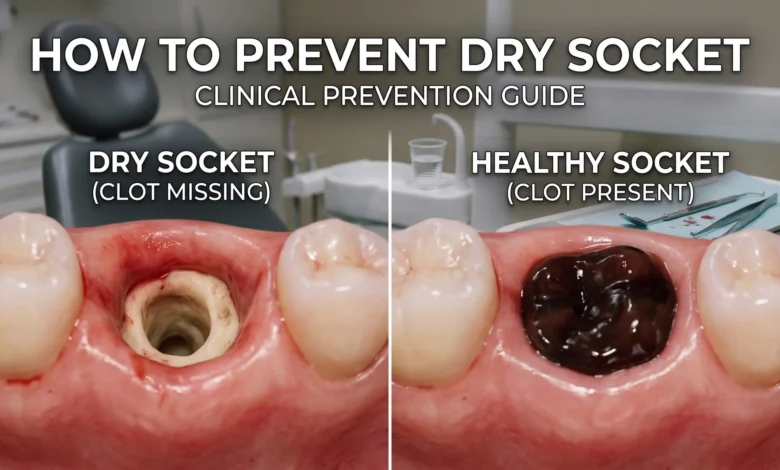
When a dentist pulls a tooth, your body instantly starts the healing process. It forms a protective blood clot inside the empty hole. This clot acts exactly like a scab on your skin.
The blood clot shields the exposed bone and highly sensitive nerve endings underneath. It also provides the foundation for new gum tissue to grow.
If this clot dissolves, falls out, or fails to form, you develop a condition known as alveolar osteitis. This leaves your nerves exposed to air, food, and fluids. The result is intense, radiating pain that severely delays your healing process.
Proven Steps on How to Prevent Dry Socket
Learning how to prevent dry socket comes down to one simple rule. You must avoid any action that disturbs the healing wound in your mouth.
Avoid Suction at All Costs
Suction is the biggest threat to a newly formed blood clot. Drinking through a straw creates a powerful vacuum inside your mouth. This pressure easily dislodges the clot right out of its socket.
You must also avoid forceful spitting. When you brush your other teeth, do not spit the toothpaste out. Instead, simply let the water and foam naturally drip out of your mouth into the sink.
Stop Using Tobacco Products
Smoking is one of the most common reasons patients develop alveolar osteitis. The physical act of inhaling cigarette smoke works just like a straw. It creates dangerous suction that threatens the extraction site.
Furthermore, tobacco contains harsh chemicals that limit blood flow to your gums. Reduced blood flow slows down your body’s natural ability to heal. If you need support quitting during recovery, read WebMD’s overview of dry socket risks related to tobacco.
Adjust Your Diet to Soft Foods
Hard, crunchy, or chewy foods easily get trapped in the empty socket. Foods like chips, nuts, and popcorn have sharp edges that scrape against your healing gums. This friction can quickly break apart your protective clot.
Stick to a strictly soft food diet for the first three days. Excellent options include yogurt, smoothies, scrambled eggs, and well-cooked pasta. Always make sure your food is cool or warm, as hot temperatures dissolve the clot.
Practice Gentle Oral Hygiene
Keeping your mouth clean prevents bacteria from infecting the extraction site. However, you must be incredibly gentle. Do not brush the empty socket directly.
After the first 24 hours pass, you can start cleaning the area. Mix half a teaspoon of salt into a glass of warm water. Gently tilt your head from side to side instead of swishing the liquid aggressively.
The Dry Socket Prevention Timeline
| Recovery Phase | What to Do for Proper Healing | What to Strictly Avoid |
| Day 1 | Rest quietly, apply ice to your cheek, and gently bite on gauze. | Spitting, smoking, using straws, and drinking hot liquids. |
| Days 2 to 3 | Eat a soft food diet and begin gentle salt water rinses. | Crunchy foods, heavy exercise, and drinking alcohol. |
| Days 4 to 7 | Resume light brushing near the surgical site. | Hard foods like nuts, chips, popcorn, and sticky candies. |
Pay Attention to Your Medications
Certain medications interfere with how your blood naturally clots. Aspirin acts as a blood thinner, making it difficult for a stable clot to form. Always rely on the specific pain relievers your oral surgeon recommends.
Women taking oral contraceptives also face a higher risk of developing complications. High estrogen levels disrupt normal clotting. If possible, ask your dentist if you can schedule your extraction during the last week of your pill cycle.
Identifying the Warning Signs
Even with perfect care, complications sometimes happen. It is important to know the difference between standard recovery soreness and a dislodged clot. Normal extraction pain usually peaks on the second day and slowly improves.
If you lose your blood clot, the pain will suddenly worsen around the third or fourth day. The pain often radiates up toward your ear, eye, or neck. You might also notice a foul taste in your mouth or persistent bad breath.
Conclusion
Healing from a tooth extraction requires patience and careful attention. Protecting your blood clot is your primary responsibility during the first week of recovery.
By skipping the straws, eating soft foods, and avoiding tobacco, you drastically lower your risk of complications. Always follow your oral surgeon’s exact written instructions for a smooth and comfortable healing process.
Next Steps
Monitor your pain levels closely over the first week. If you experience severe, throbbing pain that pain medication cannot control, contact your dentist immediately. They can place a medicated dressing in the socket to eliminate the pain in minutes.
For more detailed guidance on maintaining your gums after surgery, you can explore Mayo Clinic’s recommendations for oral hygiene.
FAQs
How long does it take for the blood clot to stabilize?
It generally takes about 72 hours for the clot to become secure. You should be extremely careful with your eating and cleaning habits during these first three days.
Can I brush my teeth after an extraction?
Yes, you can absolutely brush your other teeth. Just avoid the extraction site entirely for the first day or two to prevent disturbing the fresh wound.
Does dry socket heal on its own?
It can eventually heal, but the process takes weeks and is incredibly painful. A dentist can provide a medicated paste that offers almost instant relief.
Will leaving the gauze in longer help?
No. Leaving gauze in too long actually pulls the clot out when you finally remove it. Only bite on the gauze for the specific amount of time your dentist advised.
Can I drink coffee after my tooth extraction?
You should avoid hot coffee for the first few days. Heat increases blood flow and swelling, which disrupts healing. Stick to iced coffee and remember to drink it without a straw.